
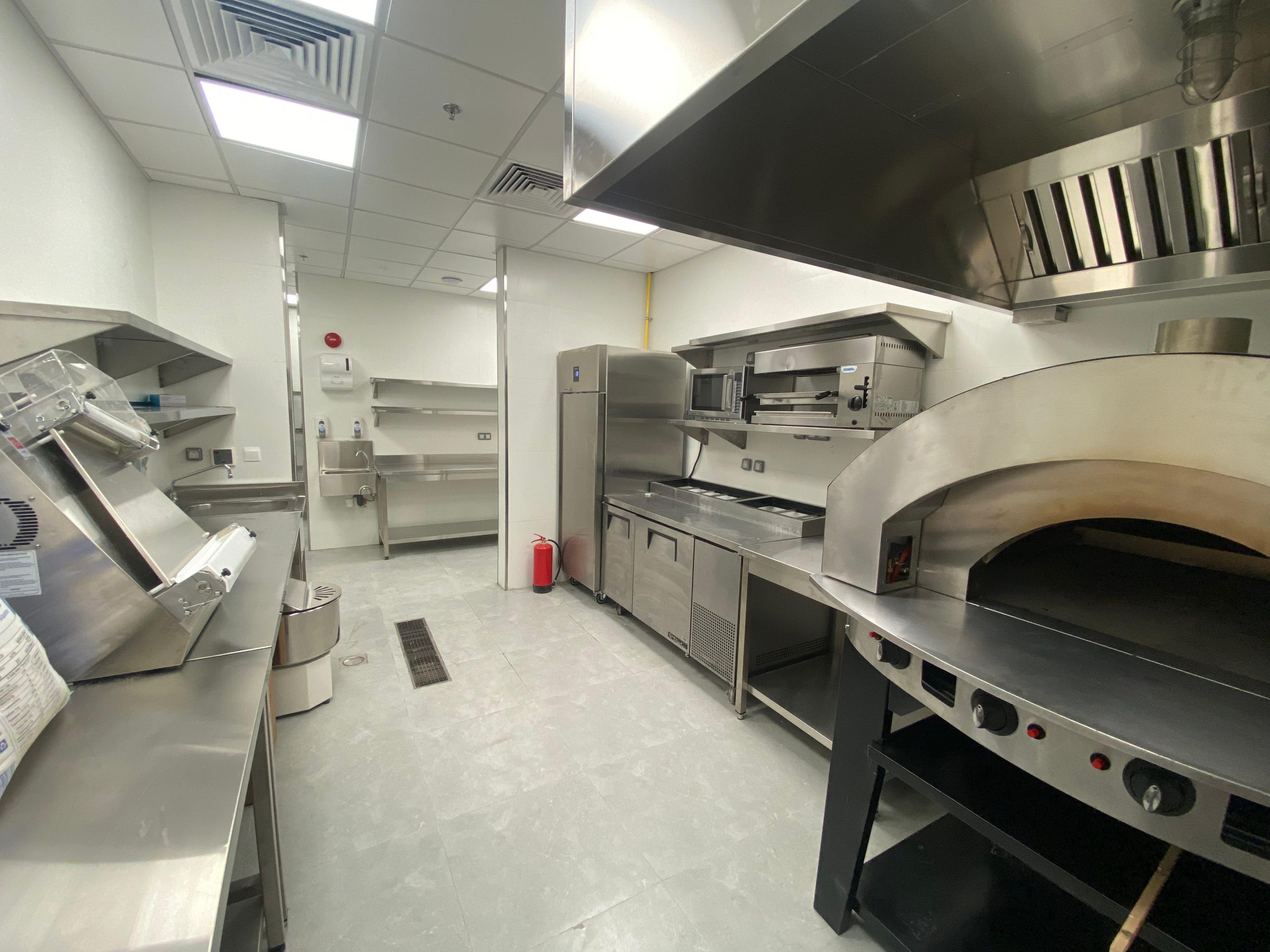
Choosing the right contractor for commercial kitchen installation in Saudi Arabia shapes how your kitchen performs for years. From Riyadh restaurants to Red Sea resorts, the quality of the fit-out decides whether a kitchen runs smoothly or struggles with avoidable faults. This guide explains why installation quality matters, what a proper installation involves, and how to check it before handover.
A commercial kitchen is a high-pressure environment. Every piece of equipment must perform reliably, often for long hours without interruption. In such conditions, the quality of installation plays a critical role. Even the best equipment can fail if it is not installed correctly. Small errors during installation can lead to major operational issues later.
This is why quality is not something that can be overlooked. It directly affects performance, safety, and long-term costs. At Ace Future Kitchen, the focus is always on precise execution and consistent standards. Proper installation ensures that the kitchen operates smoothly from the first day.
Quality installation is essential for several reasons:
Each of these factors contributes to the overall success of the kitchen. When installation is done correctly, it creates a strong foundation for long-term performance.
Installation is more than placing equipment on a floor. A complete commercial kitchen installation service usually follows these stages:
When one team manages all of these stages, responsibility is clear and coordination is easier. That is the idea behind a turnkey commercial kitchen solution, where supply, installation and commissioning sit under a single contractor.
Every piece of equipment is designed to function in a specific way. If it is not installed correctly, it may not deliver the expected output. This can affect productivity and efficiency.
Proper installation ensures that equipment operates at its full capacity. It also helps avoid unnecessary adjustments or repeated fixes later.
Frequent breakdowns are often linked to poor installation. Loose connections, incorrect positioning, or improper setup can cause equipment to fail.
These issues not only disrupt operations but also increase maintenance costs. High-quality installation reduces these risks and keeps the kitchen running smoothly.
Safety is a major concern in commercial kitchens. Equipment involves electricity, heat, and heavy usage. If installation is not done properly, it can lead to serious hazards.
Correct installation ensures that all safety standards are met. It reduces the risk of accidents and creates a safer working environment for staff.
Fixing installation mistakes can be expensive. It often involves additional labor, replacement of parts, and delays in operations.
Getting it right the first time saves both time and money. It also avoids unnecessary stress during project execution.
A well-installed kitchen runs efficiently. Equipment functions without interruptions, and staff can work without facing technical issues.
This consistency is important for maintaining service quality, especially in high-demand environments such as hotels and restaurants.
Equipment that is installed correctly tends to last longer. It operates under the right conditions and faces less wear and tear.
This helps businesses get better value from their investment and reduces the need for frequent replacements.
Commercial kitchens must meet certain standards and regulations. Proper installation ensures that these requirements are fulfilled.
This is especially important for sectors like hospitality and healthcare, where compliance is strictly monitored.
Kitchens in the Kingdom face conditions that make careful installation more important:
Getting the installation right the first time protects both your opening date and your budget.
| Poor installation | Quality installation | |
|---|---|---|
| Performance | Reduced output, frequent adjustments | Equipment runs at rated capacity |
| Reliability | Repeated breakdowns and loose connections | Stable operation from day one |
| Safety | Higher risk from electrical, gas or heat faults | Safety requirements checked and documented |
| Cost | Rework, repairs and delays | Lower lifetime cost |
| Compliance | Risk of failing inspections | Easier to meet hygiene and safety standards |
Quality installation is not just about technical skills. It also depends on how well the process is managed.
At Ace Future Kitchen, every project follows a structured execution approach. A detailed work report sheet and tracker system are used to monitor progress at every stage.
This system helps in:
By following a structured tracking process, the team ensures that installation is carried out with consistency and precision.
To understand more about the company’s approach and experience, you can visit our About us Page.
Even experienced teams can face challenges if proper processes are not followed. Some common mistakes include:
These mistakes can lead to delays, performance issues, and additional costs. Avoiding them requires careful planning and disciplined execution.
Never accept a kitchen without proof that it works. A solid handover should confirm that:
This is the practical meaning of testing and commissioning, and it is the best protection against surprises in the first weeks of operation.
Ensuring quality is a continuous process. It requires attention at every stage of the project.
Here are some important practices:
When these steps are followed, the chances of errors are significantly reduced.
Before you sign, ask your contractor:
For more guidance, read our article on what to check before you sign with a kitchen and laundry contractor.
Different sectors have different priorities:
At Ace Future Kitchen, quality is maintained through a combination of experience, process, and accountability. The team handles equipment supply, installation, testing, and maintenance with a strong focus on execution.
Each project is managed through a structured workflow. The use of work report sheets and tracker systems ensures that every detail is monitored. This approach helps maintain consistency across projects of different scales.
The company has worked on a wide range of projects across Saudi Arabia. You can explore some of them here: https://acefuture.co/projects/
If you are planning a project and need reliable execution, you can get in touch with us.
A good installation is the start of the relationship, not the end. Once your kitchen is handed over, regular servicing keeps it performing. Learn how our commercial kitchen maintenance services in Saudi Arabia continue the work after handover.
Quality installation is the foundation of a successful commercial kitchen. It affects performance, safety, and long-term efficiency. Cutting corners during installation can lead to serious issues later.
By focusing on proper execution, careful monitoring, and experienced handling, Ace Future Kitchen ensures that every project meets high standards. A well-installed kitchen not only performs better but also supports smooth and reliable operations over time.
Installation ensures that equipment works properly and safely. It directly affects performance and reliability.
Poor installation can lead to breakdowns, safety issues, and higher maintenance costs. It can also disrupt daily operations.
The timeline depends on the size and complexity of the project. Proper planning and execution help complete the work on schedule.
All equipment should be tested, and performance should be verified. Safety checks must also be completed.
By using skilled technicians, following a structured process, and maintaining proper tracking systems throughout the project.
A turnkey installation means one contractor handles equipment supply, installation, testing and commissioning. This gives you a single point of responsibility and reduces coordination problems between suppliers and installers. More answers are in our commercial kitchen FAQ for Saudi Arabia.
Commissioning is the final stage where every system is tested under working conditions and the results are recorded. It confirms that equipment is safe, correctly connected and ready for daily use before handover.
Project size, site readiness, utility availability, equipment lead times and coordination with other trades all play a part. Early planning and a clear execution schedule help keep the project on track.
Planning a commercial kitchen project? Contact Ace Future Kitchen for a free consultation and a clear installation plan.

With 38 years of experience in the industrial kitchen and laundry business, our Co-founder began his career as a Sales Manager in 1986 and later became the CEO of a major kitchen and laundry contractor in KSA in 1999.
Top 3 Commercial Kitchen Equipment Supplier in Saudi Arabia for Restaurant Owners
July 30, 2026
Top 5 Commercial Kitchen Equipment Supplier in Saudi Arabia (2026 Comparison)
July 27, 2026
Top 3 Kitchen and Laundry Equipment Contractor in Saudi Arabia: What to Check Before You Sign
July 17, 2026